Water Hardness Checker
Do you know how hard your water is?
Enter the first part of your postcode to find out the hardness of your local water supply.
Your result is shown in parts per million (PPM), helping you understand whether your water is soft, hard or very hard — and whether you could benefit from water treatment.
If it’s 100ppm or above, a water softener can help you avoid limescale buildup and improve skin and hair health.
* PPM stands for parts per million and indicates the concentration of dissolved limescale minerals like calcium and magnesium in water.
<60 PPM
SOFT WATER
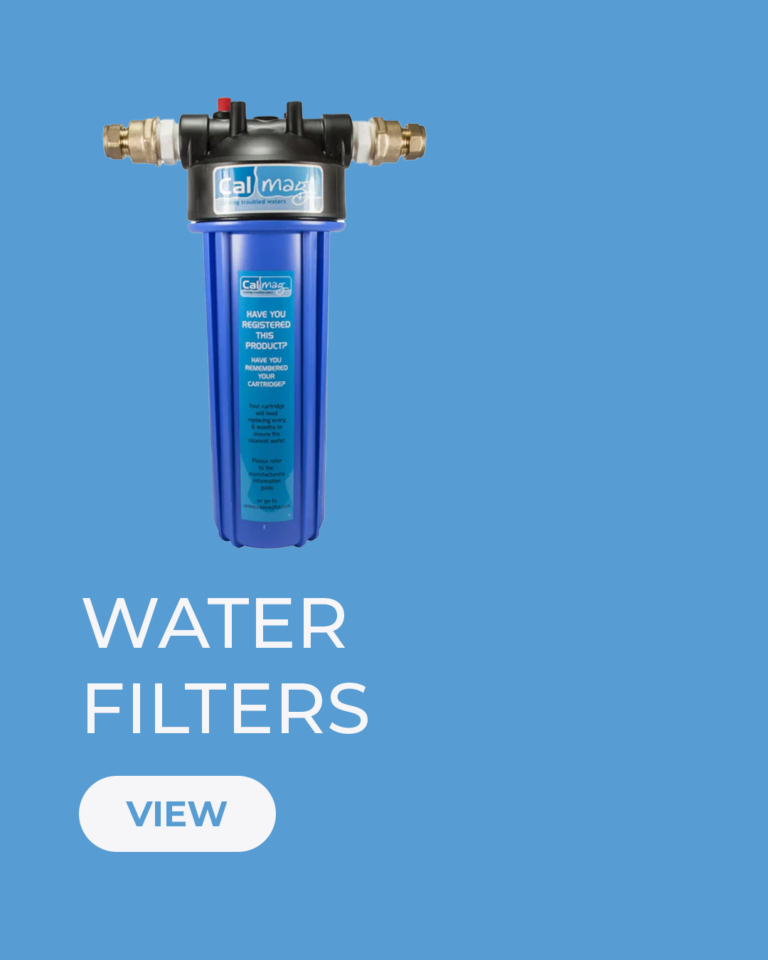
Soft water contains relatively low levels of calcium and magnesium. While limescale is less of a concern, you may still want to consider water filtration depending on your water quality requirements.
60-120 PPM
HARD WATER
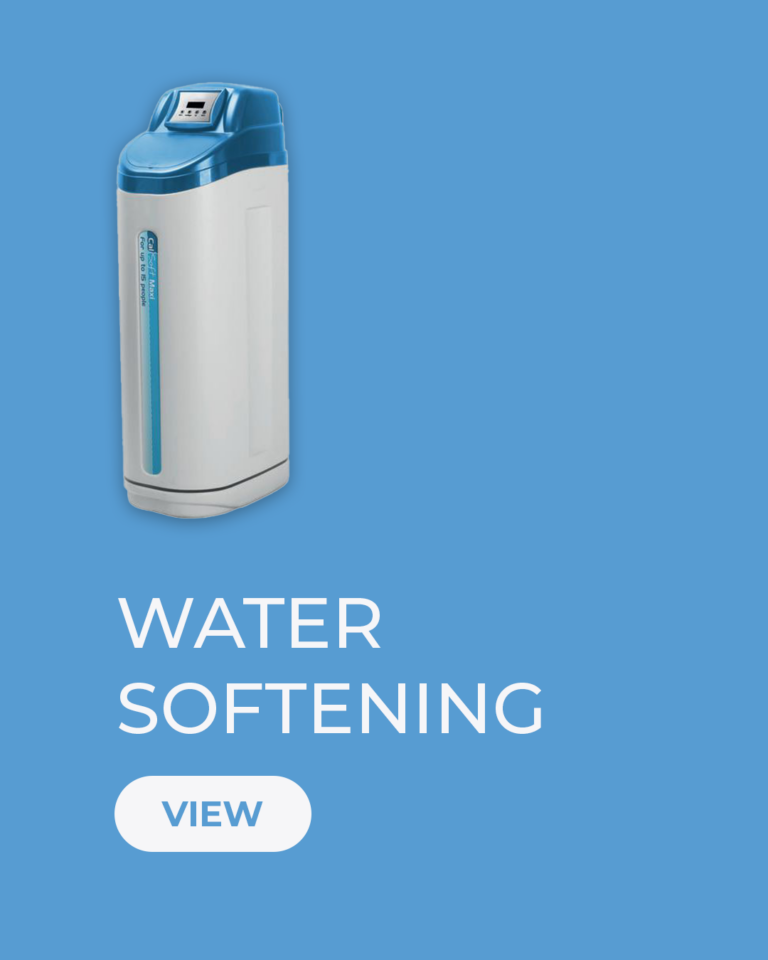
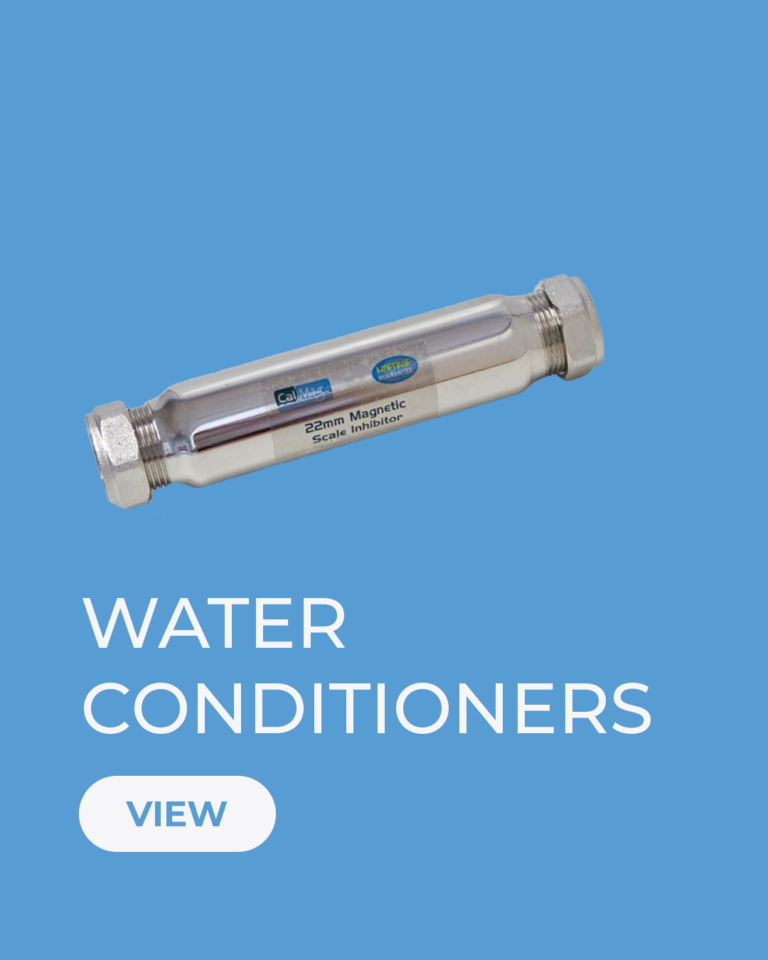
Hard water contains higher levels of dissolved minerals and can contribute to limescale formation. A Water softener or scale inhibitor can help protect appliances, heating systems and plumbing.
120> PPM
VERY HARD WATER
Very hard water has a high concentration of scale-forming minerals and is more likely to cause significant limescale buildup. A Water softener or scale inhibitor can help reduce the impact of hard water throughout the home.
How Is Water Hardness Measured?
Water hardness is measured in parts per million (PPM), which indicates the concentration of dissolved minerals such as calcium and magnesium in the water.
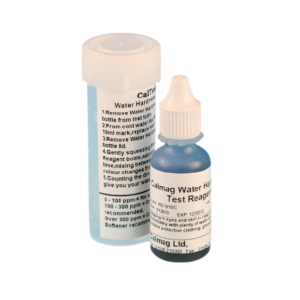
If you are unsure of the level of hardness of your water supply, you can also measure water hardness using our CalTest Water Hardness Testing Kit (Product Code: WS-WHTK).
CalTest is an inexpensive way of getting an instant reading of your water hardness. Simply add drops of water to the special reagent formula until the colour changes from a red colour to a blue colour (soft water would be a blue colour), then multiply the drops added by 20 for your water hardness measurement. E.g. 8 drops x 20 = 160 ppm (parts per million).
Hard water treatment is recommended for water hardness above 100 ppm (parts per million). Water hardness is measured in parts per million or Degrees Clark, as shown in our Quick Guide to Water Hardness.

Water Hardness FAQs
What does PPM mean in water hardness?
A central heating filter is a filtration device installed into a heating system to capture sludge, corrosion products and other debris from circulating system water.
What is hard water?
A magnetic filter uses magnetic attraction to capture ferrous particles, including magnetite, from central heating system water.
How can I reduce the effects of hard water?
Depending on your water hardness and requirements, options include water softeners, scale inhibitors and water filters.
Chat to a Calmag Expert
Just pop your details in below and one of the team will get back to you. Or, give us a call on 01986 784759
Need a different solution?
For all your Sales & Technical enquiries and for your nearest merchant please call direct on 01535 210320